






|
Подробная информация о продукте:
|
|
| Место происхождения: | СДЕЛАНО В КИТАЕ |
|---|---|
| Фирменное наименование: | BTUTEST |
| Сертификация: | SGS, INTERTEK |
| Номер модели: | БТУ-ДА-1 |
|
Оплата и доставка Условия:
|
|
| Количество мин заказа: | 1 комплект |
| Цена: | Возможен торг |
| Упаковывая детали: | Коробка стандартного экспорта оборудования для испытаний почвы деревянная |
| Время доставки: | Через 6 дней после оплаты |
| Условия оплаты: | LC, D/A, D/P, T/T, Western Union |
| Поставка способности: | 100 комплектов в месяц |
|
Подробная информация |
|||
| Материал основного блока: | Акриловый (PMMA) | Производственная мощность: | 16 л/час |
|---|---|---|---|
| Чистота деаэрации: | 0,6 ppm (остаточная концентрация газа) | Требование к вакууму: | 750 мм рт.ст. (ок. -99,9 кПа) |
| Моторный привод: | Работает при -100 кПа, утечки нет. | Вакуумный насос: | 4 бесшумных ролика (запираемые) |
Характер продукции
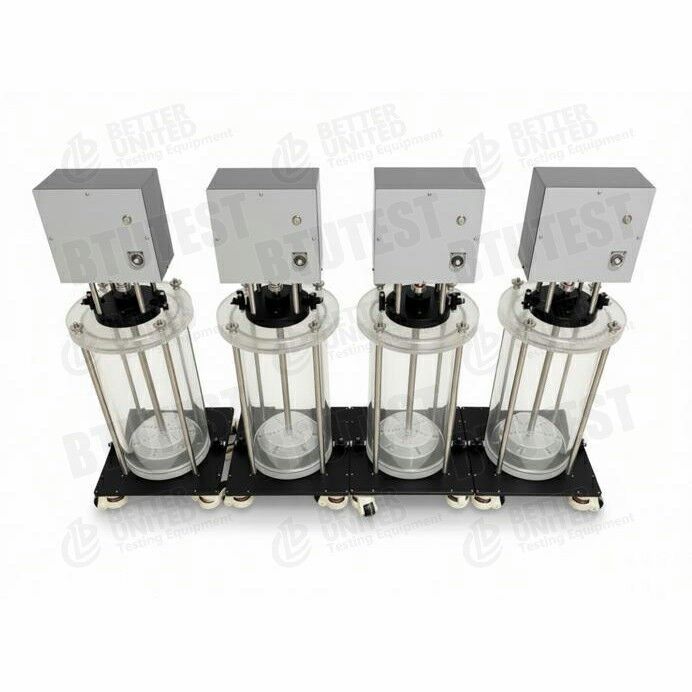
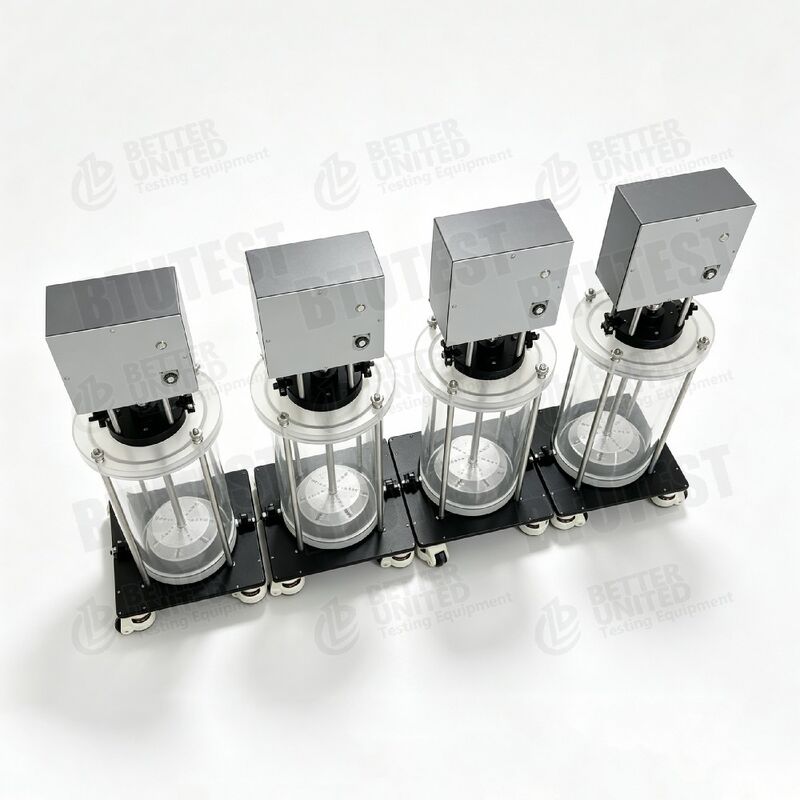
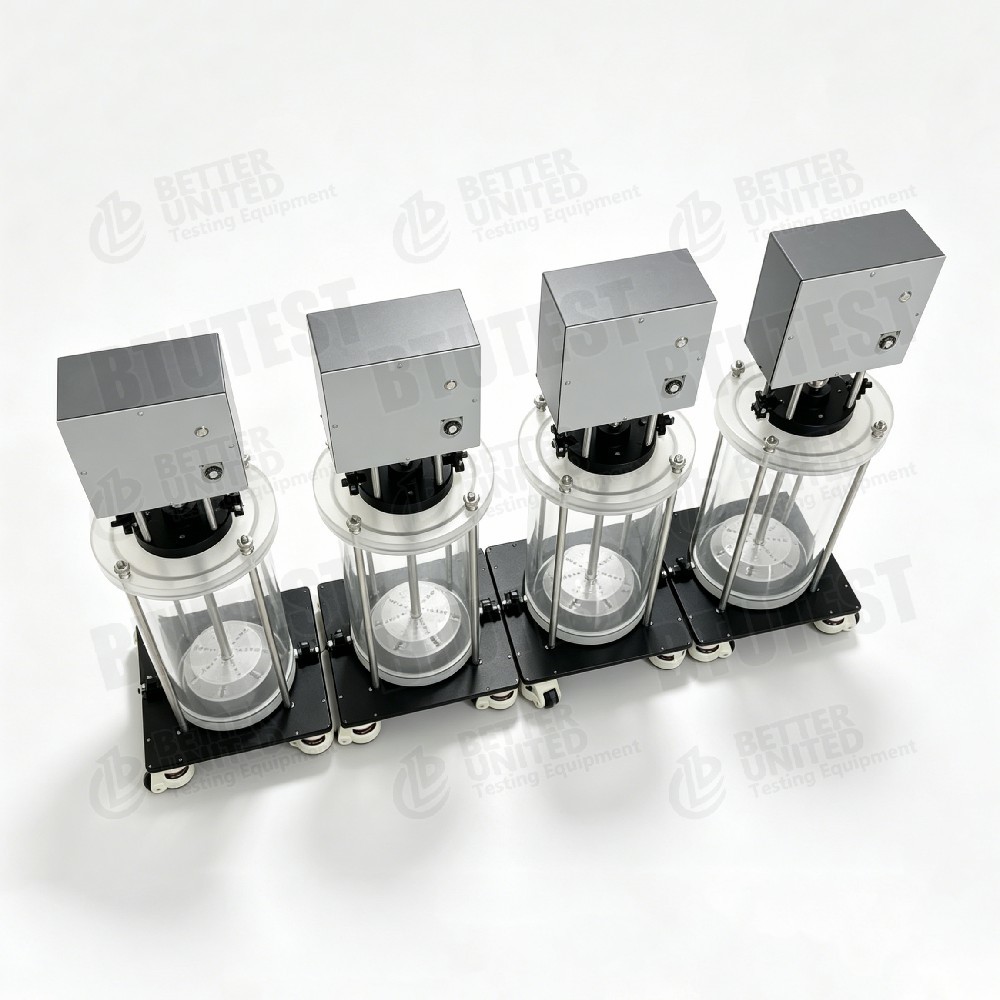
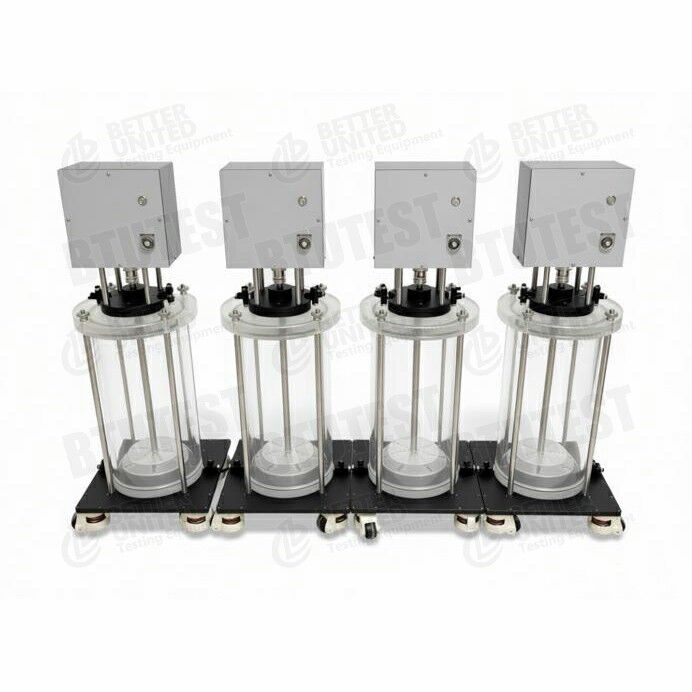
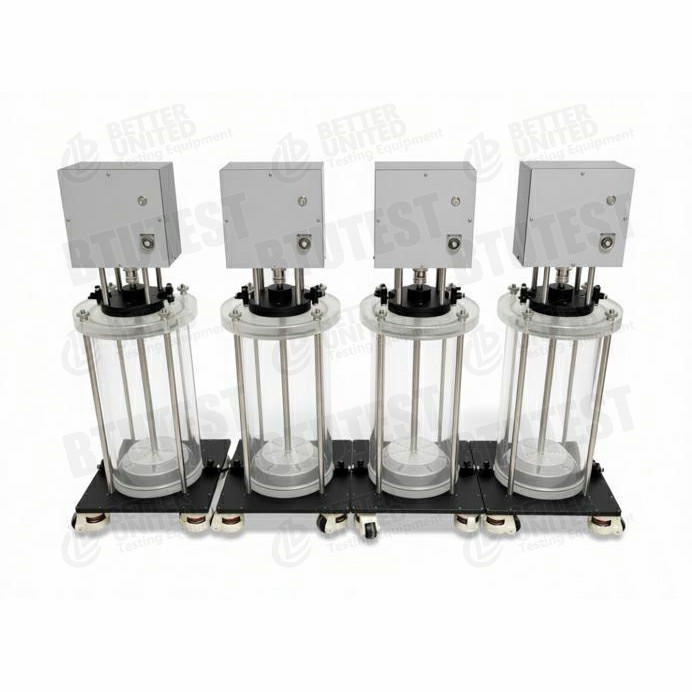
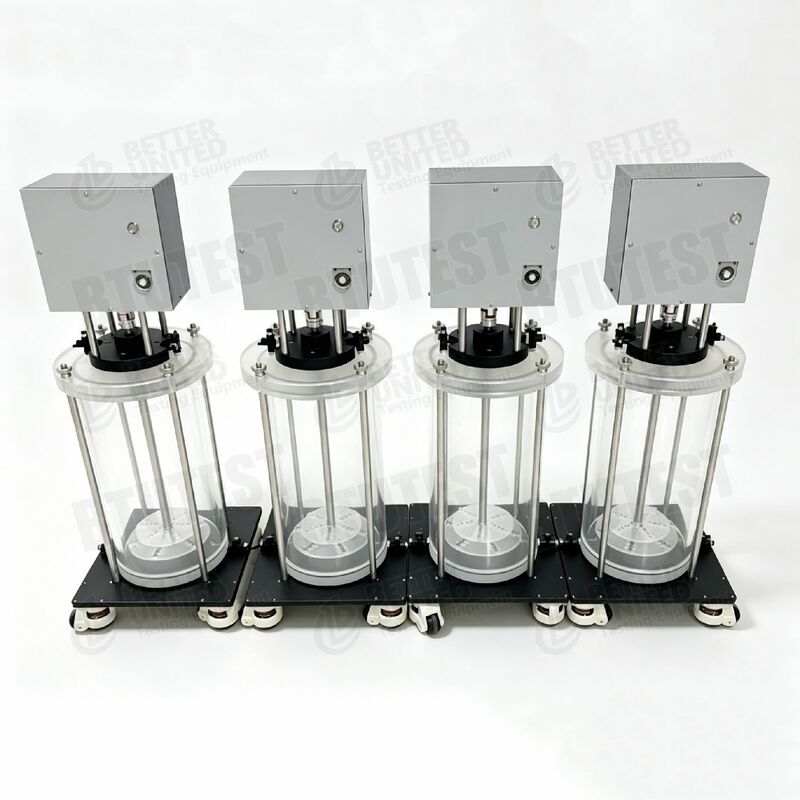
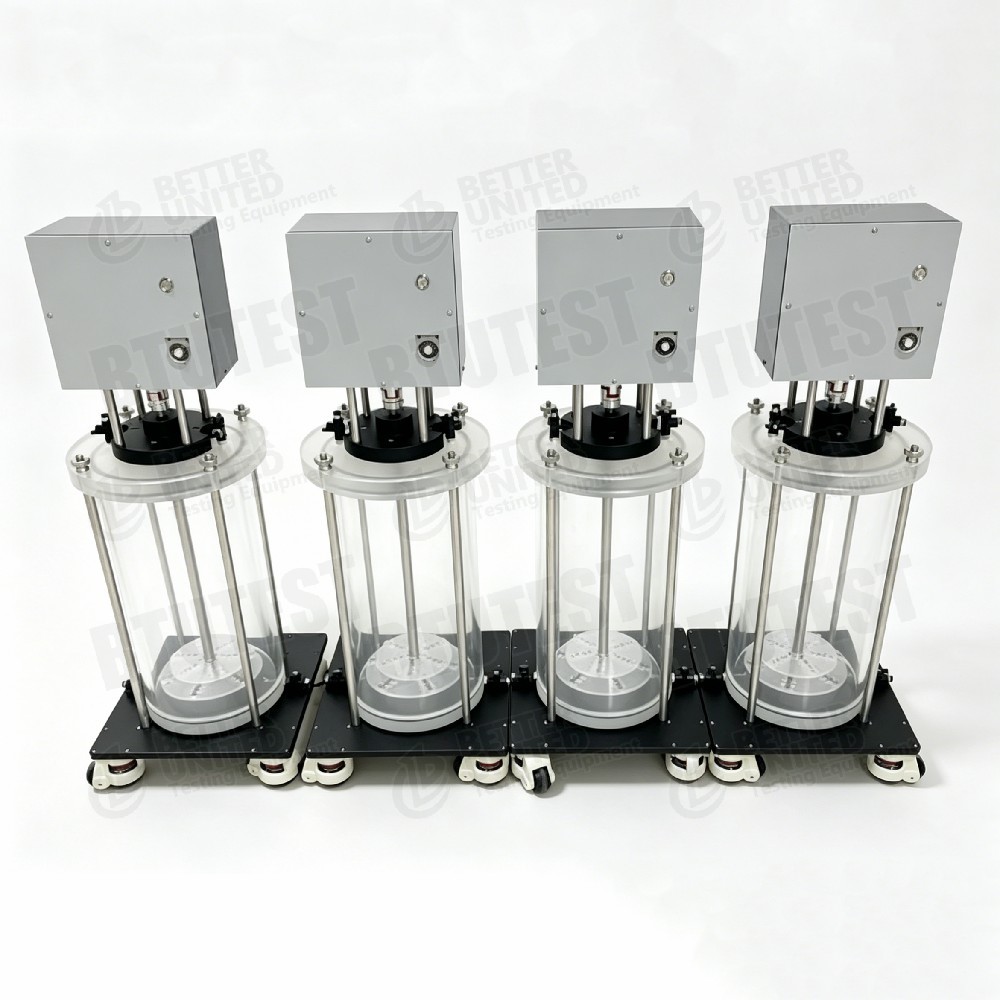
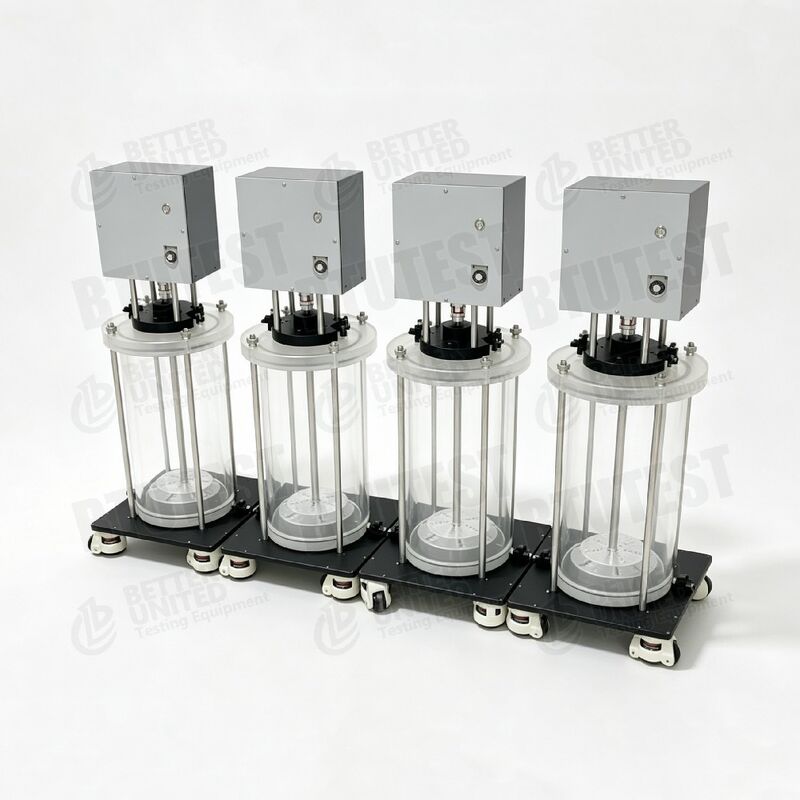
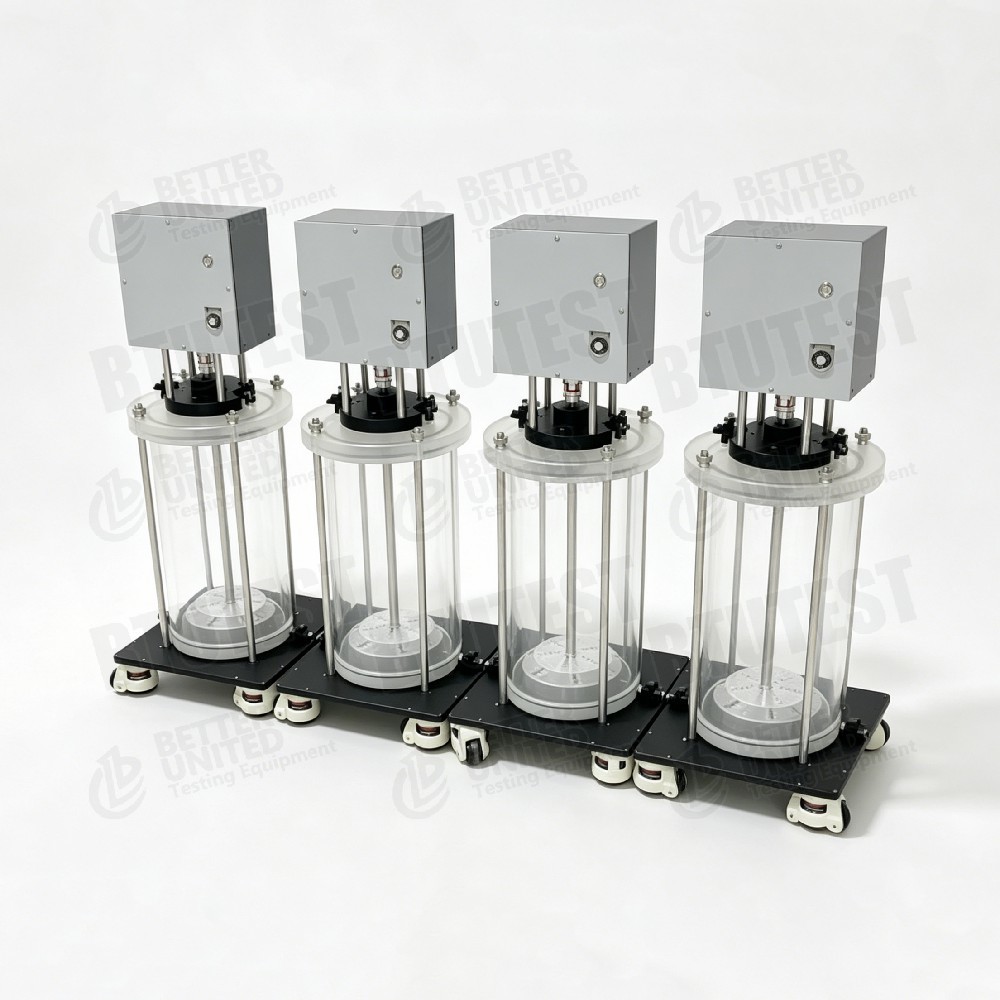
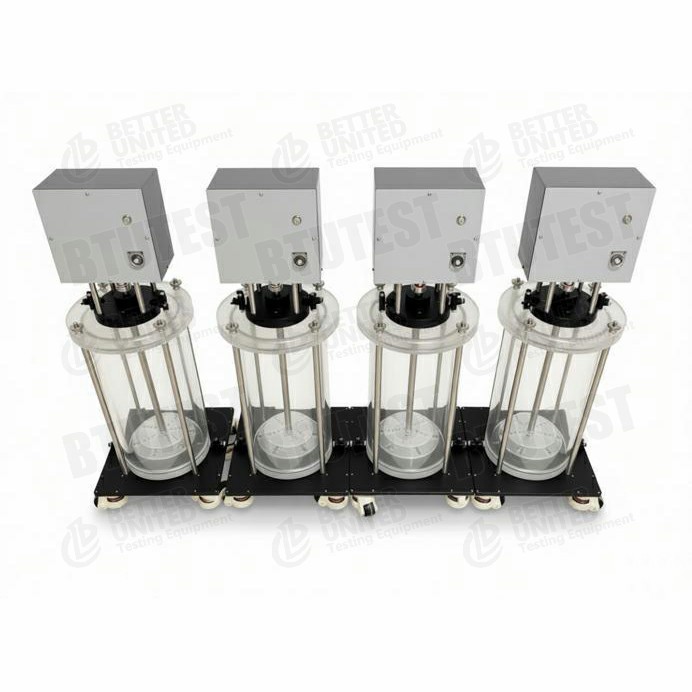
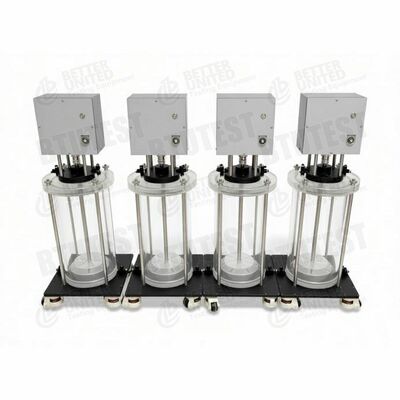
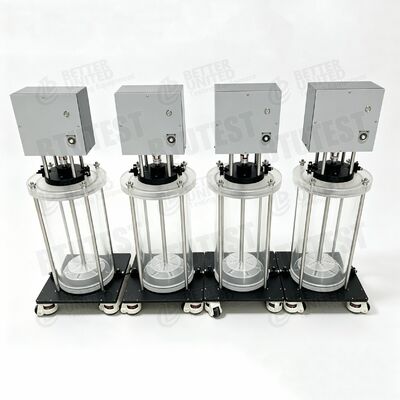
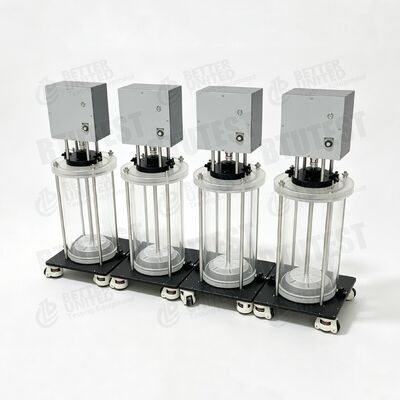
This equipment is adeaerator, model BTU-DA-1, used for rapid preparation of de‑aired water (deaerated water). The main unit is constructed from acrylic (PMMA) and removes dissolved gases from water under vacuum using a rotating deaeration mechanism. Main parameters:
Typically, de‑aired water is used in geotechnical triaxial and permeability tests, and its quality requirements are indirectly specified by test standards such as ASTM D4767 and D5084.
Based on the screenshot:
| Parameter | Specification |
| Model | BTU-DA-1 |
| Main unit material | Acrylic (PMMA) |
| Production capacity | 16 L/hour |
| Deaeration purity | 0.6 ppm (residual gas concentration) |
| Vacuum requirement | 750 mmHg (approx. -99.9 kPa) |
| Pressure chamber | Inner diameter ≥220 mm, height ≥450 mm, PMMA material, dynamic seal, withstands -100 kPa without leakage |
| Deaeration mechanism | Double‑layer rotating deaeration blades (PMMA) |
| Motor drive | Operates at -100 kPa, no leakage |
| Display and control | LCD shows real‑time vacuum pressure; timer for motor start/stop |
| Vacuum pump | 750 W oil‑free vacuum pump (included) |
| Base | 4 silent castors (lockable) |
Detail
Application
Advantages
What To Choose
Select this equipment or compare with other methods based on laboratory requirements:
| Requirement | Recommendation | Reason |
| Need large volume of de‑aired water (>10 L/day) | This equipment (16 L/hour) is sufficient | High efficiency |
| Need very high deaeration purity (<1 ppm) | 0.6 ppm meets most research requirements | Superior to boiling (approx. 5‑8 ppm) |
| Water quality requirement is low (e.g., teaching demonstrations) | Consider boiling or standing methods (lower cost) | Low cost but less thorough deaeration |
| Limited laboratory space | Compact unit with castors | Mobile |
| Need fully automatic unattended operation | Timer feature allows automatic start/stop | No need to supervise constantly |
| Limited budget | Consider a manual vacuum deaeration setup | Lower cost but less efficient |
Process Flow
Example:Preparation of 16 L of de‑aired water
Summary:The BTU-DA-1 deaerator is a high‑efficiency, high‑purity de‑aired water preparation unit. It features a transparent PMMA chamber, double‑layer rotating blades, and an oil‑free vacuum pump, achieving rapid deaeration at -100 kPa with a production capacity of 16 L/hour and a deaeration purity of 0.6 ppm. The LCD vacuum display and timer make operation easy. It is suitable for geotechnical triaxial, permeability, consolidation, and other tests requiring de‑aired water. Selection should be based on daily water consumption, purity requirements, and budget.
Впишите ваше сообщение

Попробуйте наше самое лучшее, сделайте вещи лучше. Урожайность людей во-первых, новаторская, общие решения
| Hebei Better United Import And Export Co., Ltd. |
| Городок Hejie, графство Xianxian, город Cangzhou, провинция Хэбэя, Китай |
| 86-151-2879-5929 |
| sales@btutest.com |